
If you’re building, renovating, or simply curious about your home, there’s a good chance you’ve come across the term “gable roof”. It’s one of the most recognisable and widely used roof styles in New Zealand, and for good reason. From classic villas in Ponsonby to new builds in the suburbs of Christchurch, the gable roof has been a staple of Kiwi architecture for well over a century.
In this guide, we’ll break down exactly what a gable roof is, explore the different types, weigh up the pros and cons, and explain why this timeless design continues to be a top choice for New Zealand homes.
What Is a Gable Roof?
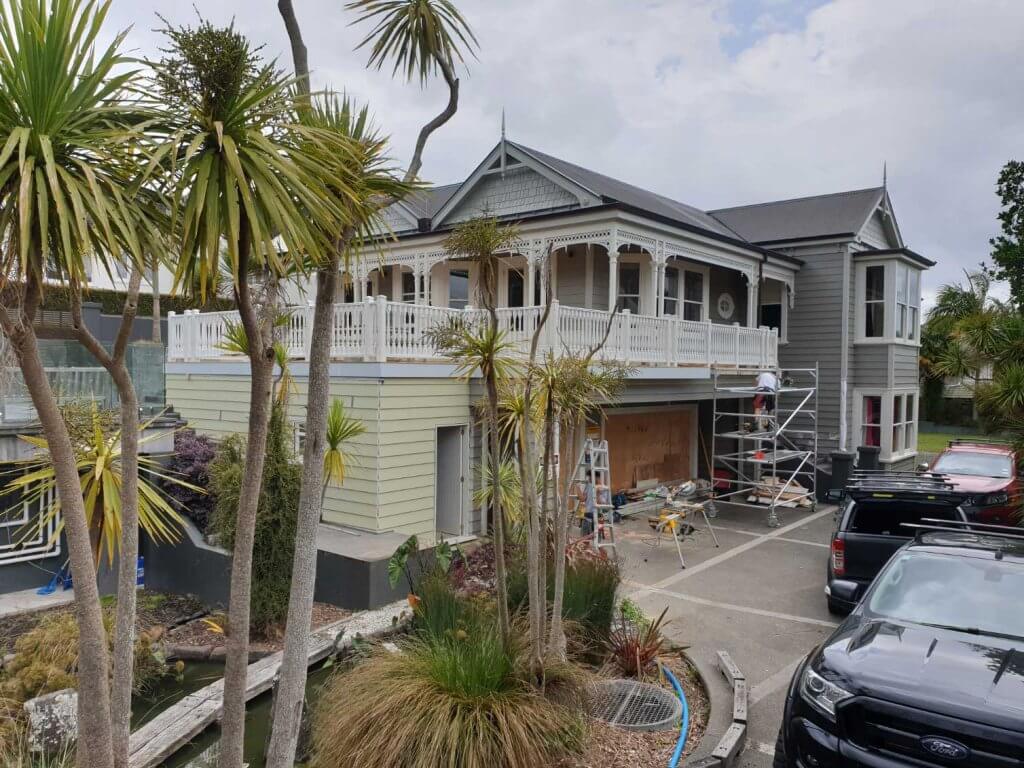
A gable roof is defined by its distinctive triangular shape: two sloping sides meet at a central ridge, forming an inverted “V.” The triangular wall section at each end is called the “gable”. You’ll sometimes hear people refer to it as a “gabled roof”, same thing, different wording.
This design is incredibly effective at shedding rain, which makes it particularly well-suited to New Zealand’s variable climate. Whether you’re dealing with heavy Wellington southerlies or steady Auckland drizzle, a gable roof’s steep pitch channels water away quickly, reducing the risk of leaks and moisture damage.
Types of Gable Roofs
While the basic structure stays the same, gable roofs come in several variations. Each brings its own look and set of practical benefits, making them adaptable to a wide range of Kiwi home designs.
Standard Gable
The classic. Two equally sloped sides meet at a central ridge, with closed-off triangular ends. It’s the shape most people picture when they think “house”, simple, clean, and effective. You’ll find standard gables on everything from weatherboard bungalows to modern family homes across New Zealand.
Box Gable
A box gable is similar to the standard version but features a triangular extension or “box” at each end of the roof. This adds visual depth and character to the facade, giving your home a more defined, architectural presence from the street.
Cross Gable
A cross gable is formed when two or more gable rooflines intersect at right angles, creating perpendicular ridges. This style works brilliantly for L-shaped or T-shaped floor plans and is a great way to add dimension and visual interest to larger homes. It’s a common sight in newer New Zealand subdivisions where homes have attached garages or covered porches.
Dutch Gable
The Dutch gable is a hybrid that combines elements of both the gable and the hip roof. It features a small gable sitting on top of a hipped section, giving you the best of both worlds: the aesthetic appeal and attic space of a gable, plus the added wind resistance of a hip roof. This style is becoming increasingly popular in exposed coastal areas of New Zealand.
Why Are Gable Roofs So Popular in New Zealand?
Gable roofs aren’t just about good looks. They tick a lot of practical boxes that matter to Kiwi homeowners.
Timeless Aesthetics
There’s a reason gable roofs have been around for centuries, they look good on virtually any style of home. Their symmetrical, clean-lined profile works equally well on a traditional Kiwi villa as it does on a sleek contemporary build. They add a sense of proportion and balance that never goes out of fashion.
Excellent Water Drainage
New Zealand gets its fair share of rain, so effective water runoff is essential. The steep pitch of a gable roof ensures rainwater and any debris like leaves or moss, slides off quickly, reducing the risk of pooling, leaks, and long-term moisture damage. Guttering is also straightforward to install and maintain on gable designs. If your roof ever does need attention, working with a reputable roofing contractor in Auckland can ensure your gable roof stays in top condition for years to come.
Cost-Effective to Build
Compared to more complex roof designs, gable roofs require fewer materials and less labour, which translates to lower construction costs. The straightforward design also reduces the likelihood of building errors, a real plus when you’re managing a budget on a new build or renovation project.
Versatile Design
One of the biggest strengths of a gable roof is its adaptability. It can be tailored to suit a wide range of architectural styles, from classic New Zealand bungalows and villas through to modern, minimalist designs. Whether you’re building on a compact urban section in Auckland or a generous lifestyle block in the Waikato, a gable roof can be scaled and customised to suit.
Ideal for Solar Panel Placement
With more and more Kiwi households embracing solar energy, roof design matters. Gable roofs offer large, uninterrupted surface areas that are ideal for solar panel installation. A well-oriented north-facing gable slope can maximise sunlight capture throughout the year, helping to bring down power bills, particularly useful given rising electricity costs in New Zealand.
What Materials Are Used for Gable Roofs in New Zealand?
Choosing the right roofing material is just as important as choosing the right roof shape. Here are the most common options you’ll find on Kiwi gable roofs:
- Colorsteel / Long-Run Steel: By far the most popular choice in New Zealand. Long-run steel roofing is durable, lightweight, fire-resistant, and available in a wide range of colours. It handles our UV-heavy environment well and requires minimal maintenance.
- Concrete Tiles: A solid, long-lasting option that suits traditional home styles. Concrete tiles offer excellent thermal performance and are common on older New Zealand homes. They’re heavier than steel, so your roof framing needs to be up to the task.
- Clay Tiles: Less common but visually striking, clay tiles are often seen on Mediterranean or Spanish-inspired designs. They’re durable and give a distinctive, elegant finish.
- Asphalt Shingles: Occasionally used in New Zealand for their aesthetic versatility, though they’re more common in North America. They can add texture and character to certain architectural styles.
If you’re considering a reroof or upgrading your existing roof material, it pays to get professional advice.
Gable Roof vs Hip Roof: What’s the Difference?
Both gable and hip roofs are popular in New Zealand, but they serve slightly different purposes.
A gable roof has two sloping sides meeting at a central ridge, forming that classic triangular shape. It’s cost-effective, easy to build, and offers great space for solar panels or attic storage. However, the flat gable ends can be more vulnerable to strong winds if not properly braced, something to consider if you’re building in an exposed area.
A hip roof, by contrast, has four sloping sides that all meet at a ridge. This makes it sturdier in high winds and better suited to cyclone-prone or coastal locations. The trade-off is that hip roofs are generally more complex and expensive to build, and the multiple slopes leave less room for solar panels.
The right choice depends on your site, your budget, and the look you’re going for.
Gable Roof vs Skillion Roof
Another common comparison in the New Zealand building scene is between gable and skillion roofs.
A skillion roof (sometimes called a mono-pitch or shed roof) has a single sloping surface. It’s sleek, modern, and lends itself beautifully to contemporary architectural styles that are increasingly popular across New Zealand. Skillion roofs are also excellent for rainwater collection and can be angled to optimise solar panel performance.
Gable roofs, on the other hand, offer a more traditional look and tend to provide more attic space and better overall ventilation. They’re also generally more cost-effective to construct.
Many modern Kiwi homes actually combine both styles, using a gable as the primary roof form with skillion sections over additions or outdoor living areas, creating a dynamic, layered look.
Ready to Start Your Build?
Whether you’re drawn to the timeless appeal of a gable roof or you’re still weighing up your options, getting the right advice early makes all the difference. At iBuild, we specialise in residential and light commercial construction across Auckland, bringing experience, integrity, and quality craftsmanship to every project.
If you’re planning a new build or renovation and want to discuss your roofing options, we’d love to hear from you. Get in touch with the iBuild team today and let’s bring your vision to life.